Travel Planning Tips for Safe & Affordable Vacations 01

Proper budget planning is the foundation of any successful and affordable vacation. Start by estimating total costs, including transport, accommodation, food, activities, and emergency expenses before making final travel decisions.
Set a realistic daily spending limit based on your destination and travel style. Divide your total budget into categories so you can track expenses and avoid overspending during your entire trip duration.
Always keep an emergency fund separate from your main travel budget. Unexpected situations like medical needs or flight changes can happen, so having extra money ensures a safer and stress free travel experience.
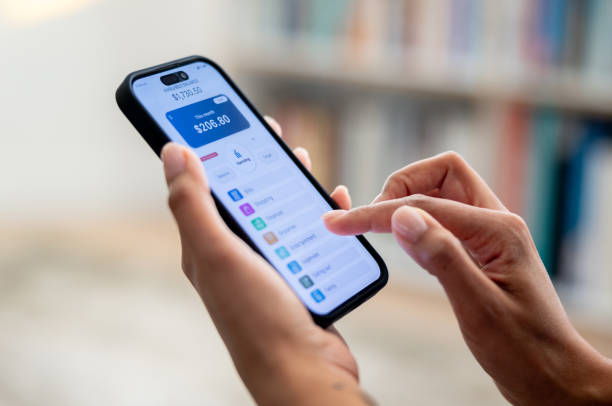
Use budgeting apps or simple spreadsheets to monitor your spending in real time. This helps you stay disciplined and adjust your plans if certain areas are costing more than originally expected.
Choosing Affordable and Safe Destinations
Choosing the right destination plays a major role in keeping your vacation both safe and affordable. Research countries or cities known for budget friendly tourism and reliable public safety conditions.
Compare travel costs between different destinations before finalizing your plan. Some places offer similar experiences but with lower accommodation, food, and transportation costs, helping you save significantly on overall expenses.
Check travel advisories and local safety guidelines before selecting a destination. Understanding political stability, health conditions, and tourist friendliness ensures a smoother and more secure travel experience for visitors.
Look for destinations with strong tourism infrastructure, including affordable hostels, public transport, and local attractions. These factors help reduce costs while still offering enjoyable and memorable travel experiences.
Smart Flight and Accommodation Booking
Booking flights and accommodation at the right time can greatly reduce your travel expenses. Try to book tickets early, as prices often increase closer to the departure date.
Use fare comparison websites to find the best deals on flights. Flexible travel dates can also help you save money by allowing you to choose cheaper days for departure and return.
Consider staying in budget hotels, hostels, or vacation rentals instead of expensive luxury hotels. Many affordable options offer comfort, safety, and essential facilities for a pleasant stay during your trip.
Always read reviews before booking accommodation to ensure safety and cleanliness. Verified traveler feedback helps you avoid poor experiences and choose reliable places that match your budget and expectations.
Smart Packing for Comfort and Safety
Packing smartly is essential for both safety and affordability during travel. Carry only necessary items to avoid extra baggage fees and make your journey more comfortable and manageable overall.
Prepare a checklist before packing to ensure nothing important is forgotten. Include clothing suitable for weather conditions, essential medicines, travel documents, and basic personal care items for convenience.
Keep valuable items like passports, money, and electronics in secure and easily accessible compartments. This reduces the risk of loss or theft while traveling through crowded or unfamiliar places.
Packing light also makes it easier to move between destinations. You save time, reduce physical strain, and enjoy more flexibility when using public transportation or walking between attractions.
Staying Safe While Traveling
Safety should always be a top priority when planning any vacation. Stay aware of your surroundings, especially in crowded tourist areas, to avoid theft or other unexpected situations.
Share your travel plans with family or friends before departure. Keeping someone informed about your location and schedule adds an extra layer of security during your entire trip.
Avoid carrying large amounts of cash and use digital payments when possible. This reduces risk and makes transactions more secure, especially in unfamiliar destinations with varying safety standards.
Research local emergency numbers and nearby hospitals before traveling. Being prepared helps you respond quickly to any unexpected health or safety issues during your vacation.
Saving Money During Your Trip
Saving money during travel is possible with smart daily decisions. Use public transportation instead of taxis whenever possible, as it is often much cheaper and offers a local experience.
Eat at local restaurants or street food vendors instead of expensive tourist spots. Local food is usually more affordable and gives you a more authentic taste of the culture.
Look for free attractions like parks, museums, and walking tours. Many destinations offer beautiful experiences that do not require spending money, helping you enjoy more within a limited budget.
Avoid unnecessary shopping and focus on meaningful experiences. Spending wisely ensures your money lasts longer and allows you to enjoy your trip without financial stress or limitations.
Experiencing Local Culture on a Budget
Experiencing local culture adds value to your travel without increasing costs significantly. Participate in free cultural events, festivals, or community gatherings to understand local traditions and lifestyles.
Interact with locals to learn about hidden attractions and affordable places to visit. Locals often provide valuable insights that are not available in typical tourist guides or websites.
Use walking tours or self guided exploration instead of expensive guided packages. This allows you to explore at your own pace while still learning about cultural and historical landmarks.
Respect local customs and traditions to create positive interactions. Being culturally aware enhances your travel experience and helps you connect more deeply with the destination and its people.
Travel Insurance and Emergency Preparedness
Travel insurance is essential for safe and worry free vacations. It covers unexpected events such as medical emergencies, trip cancellations, or lost luggage, protecting you from major financial losses.
Compare different insurance plans before choosing one that fits your travel needs. Ensure the policy covers health care, accidents, and travel disruptions for complete protection during your journey.
Keep digital and physical copies of important documents like passports, insurance papers, and tickets. This helps you recover quickly if anything is lost or stolen while traveling.
Stay prepared for emergencies by knowing local emergency contacts and embassy details. Being informed ensures you can act quickly and stay safe in any unexpected situation abroad.

About Premium Author
This post has been authored and published by one of our premium contributors, who are experts in their fields. They bring high-quality, well-researched content that adds significant value to our platform.
Popular Categories
Stay Connected
Recent Posts